Technologies of Exile
AI-Generated Images, 2024
PROJECT DESCRIPTION
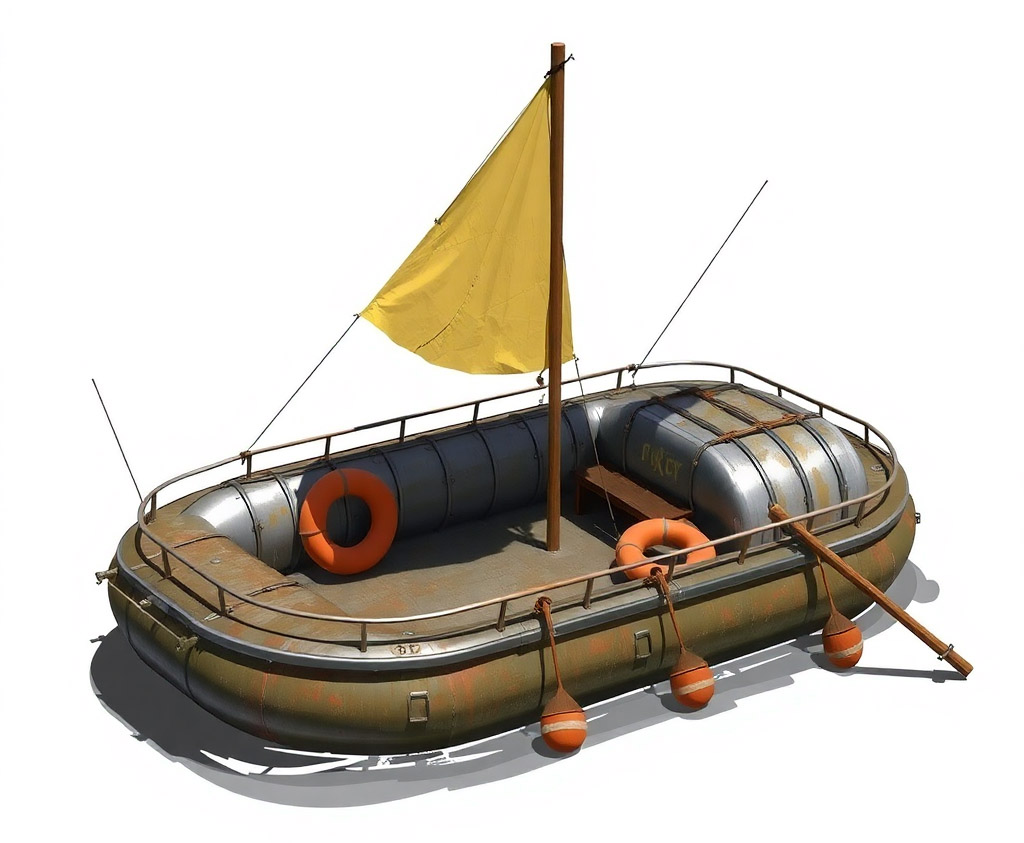
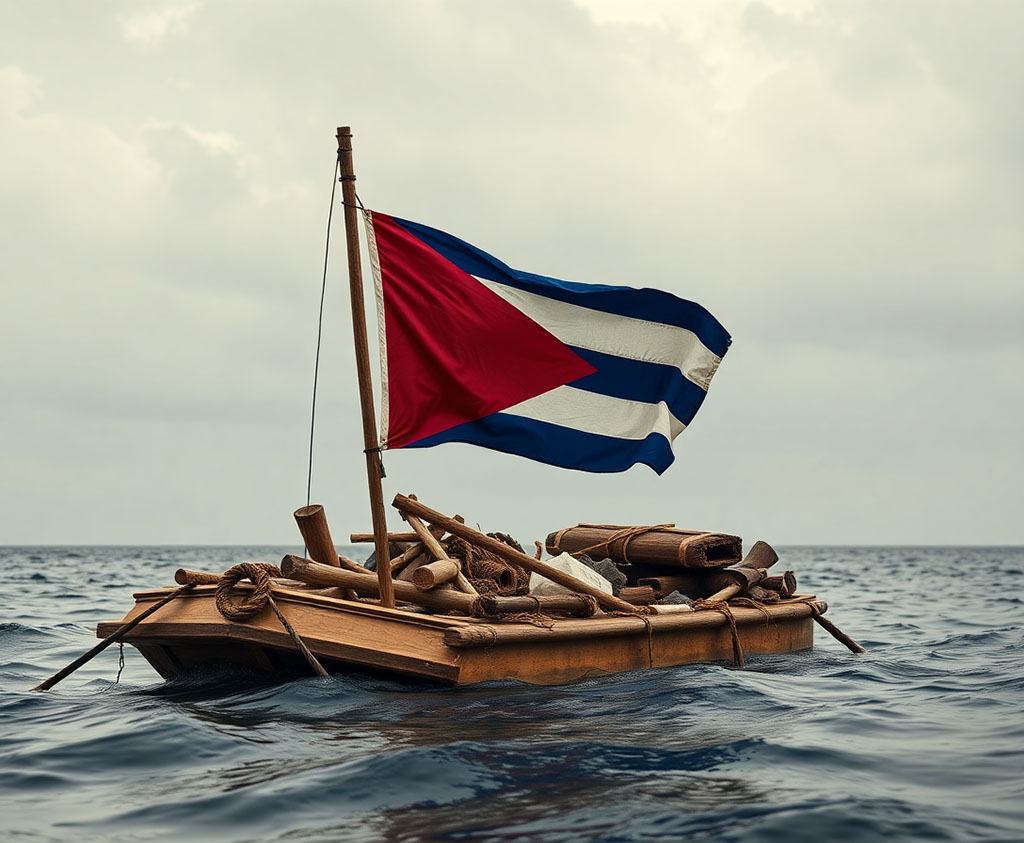
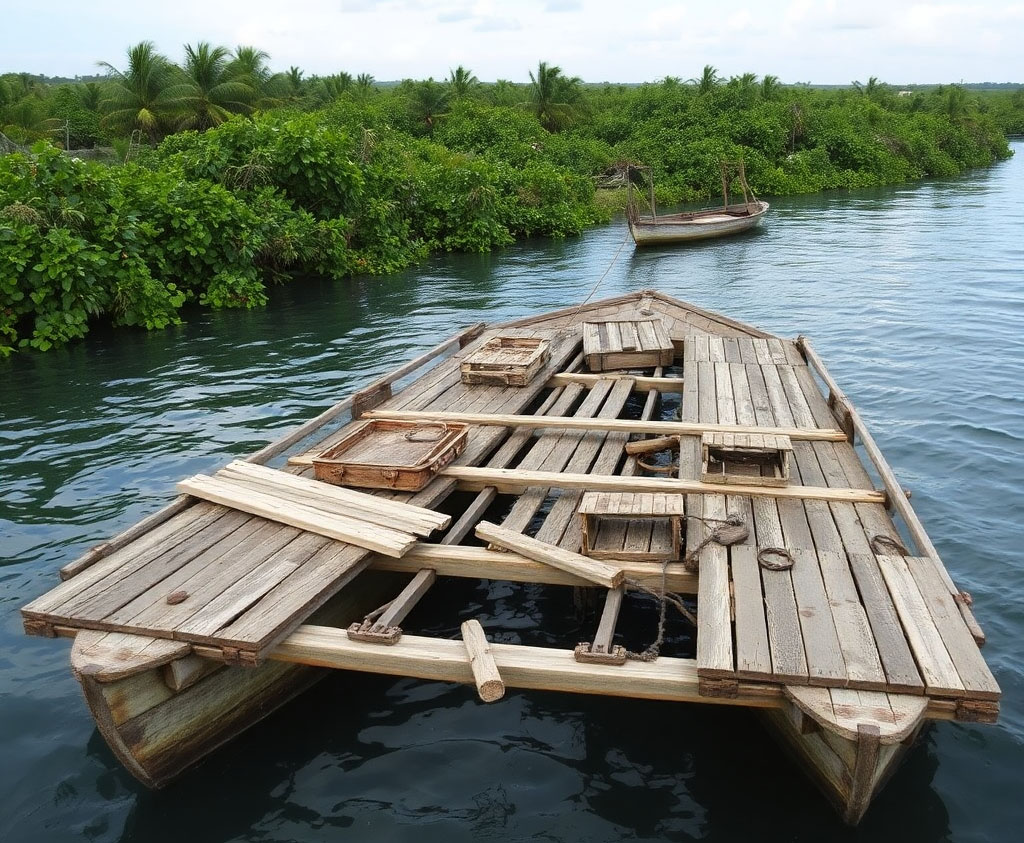
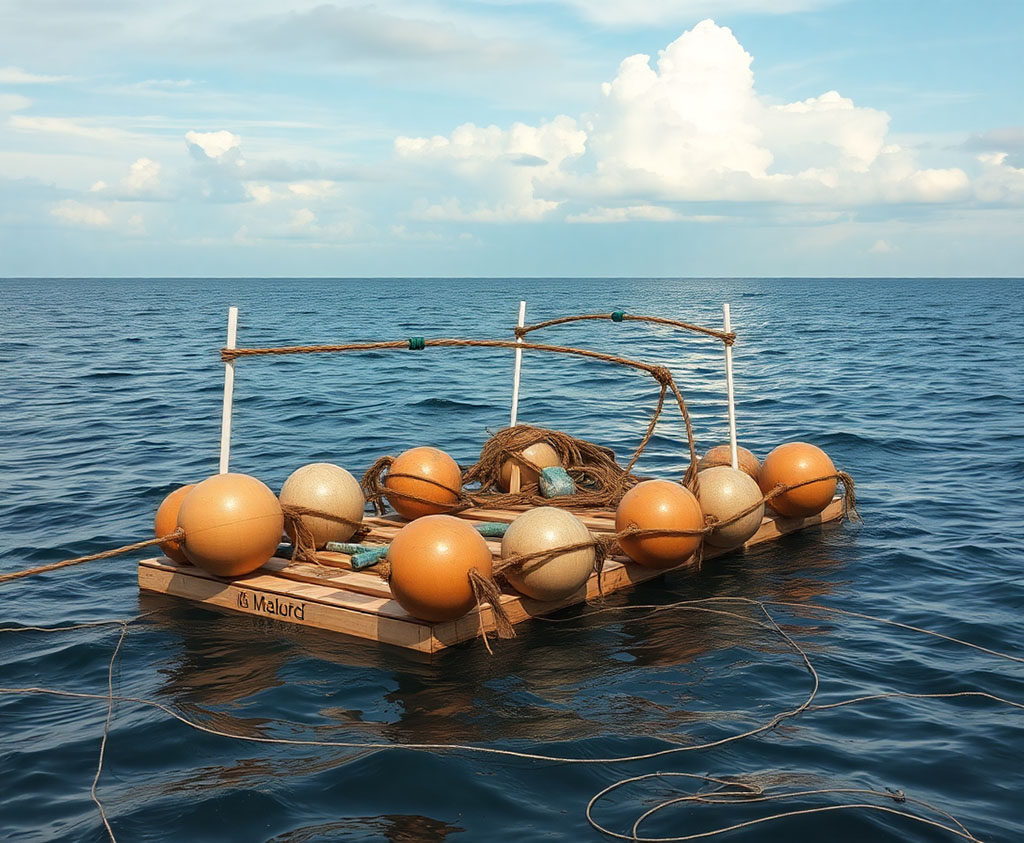
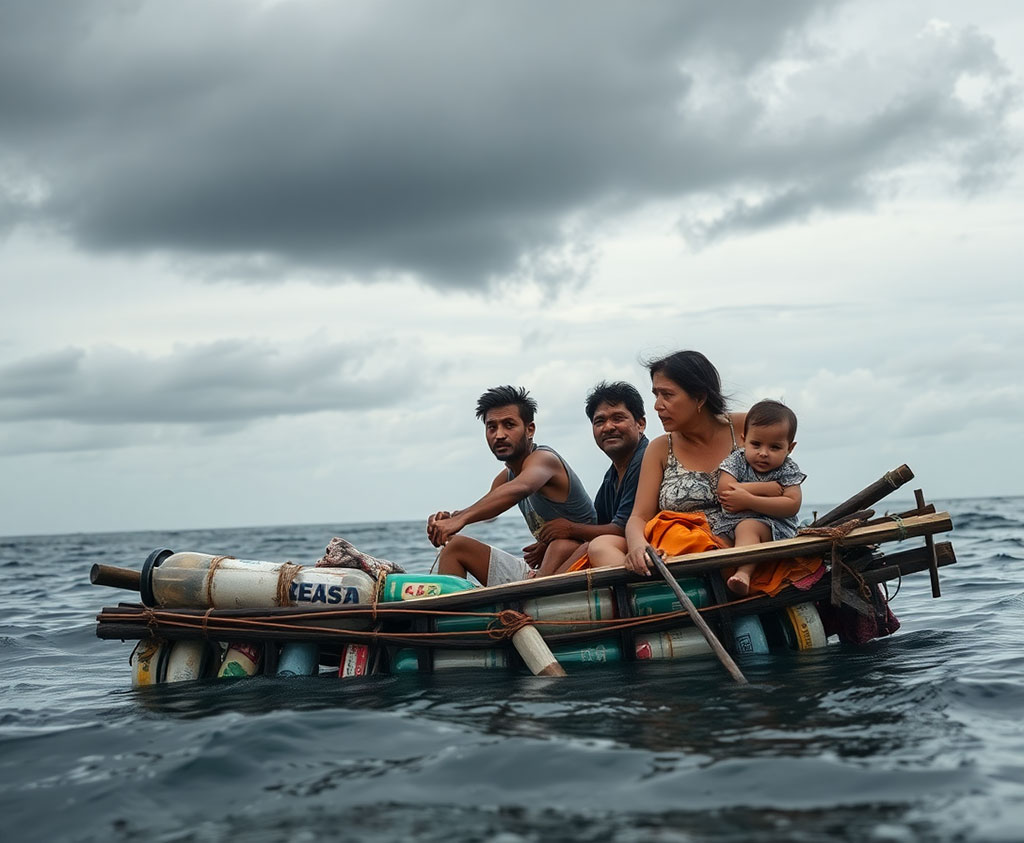
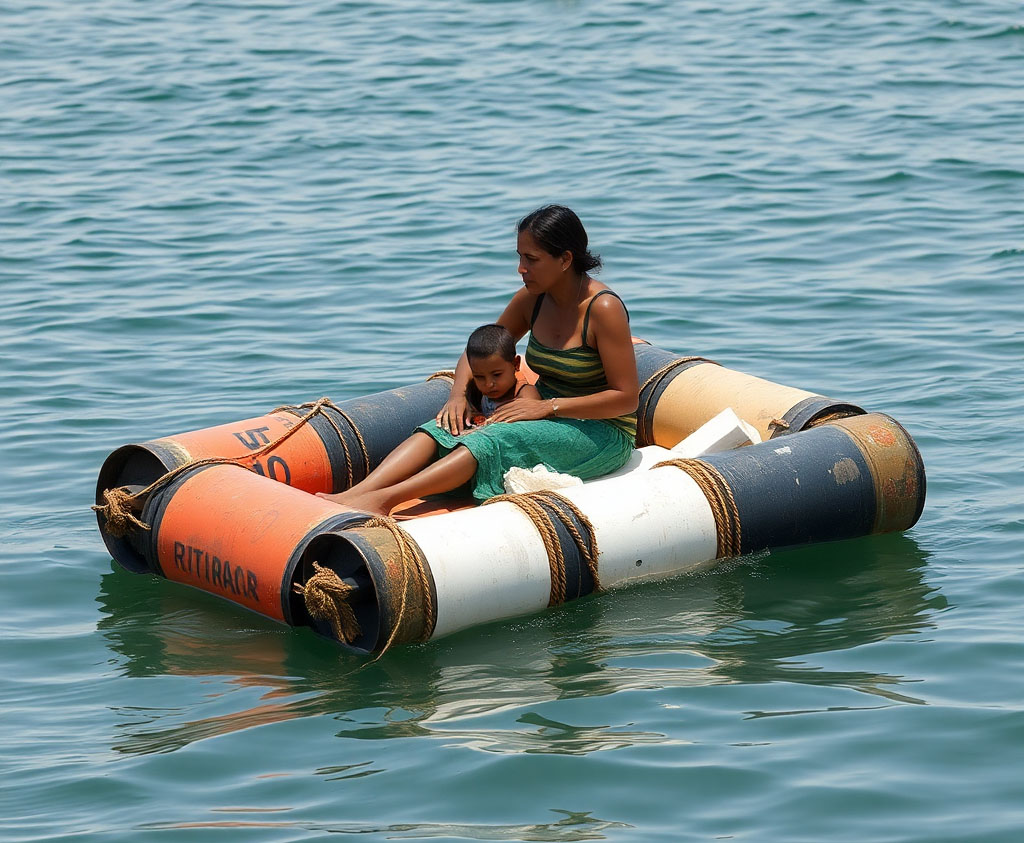
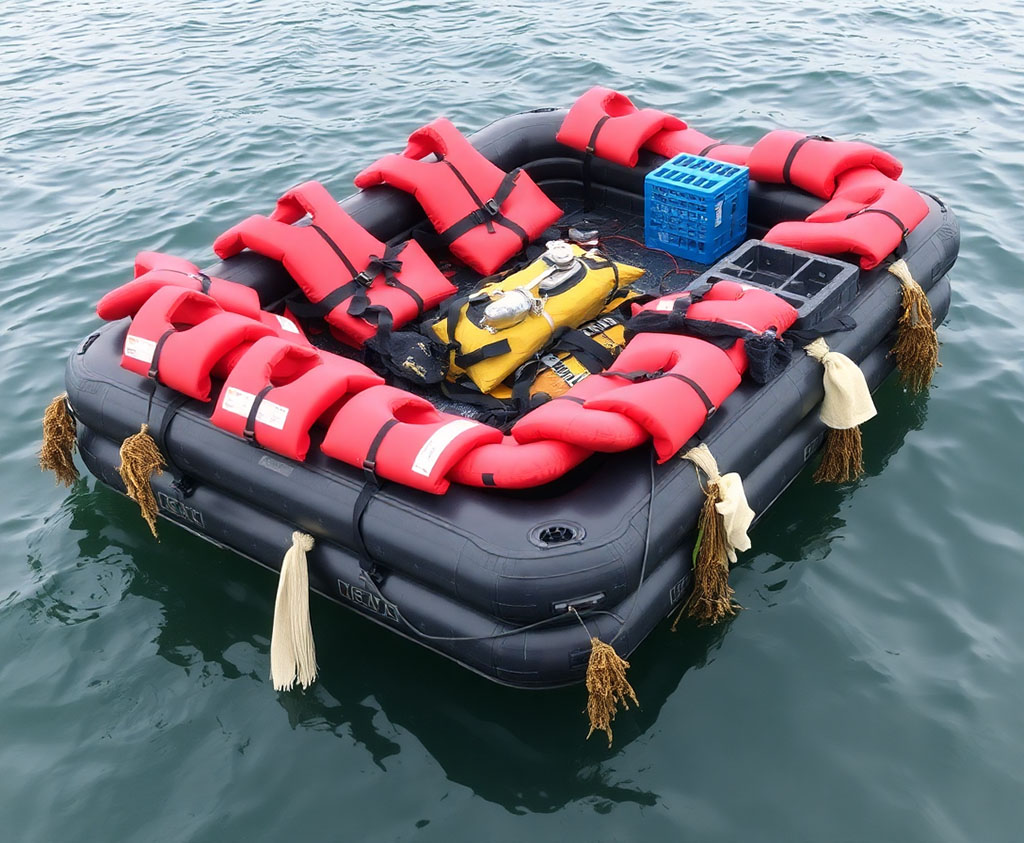
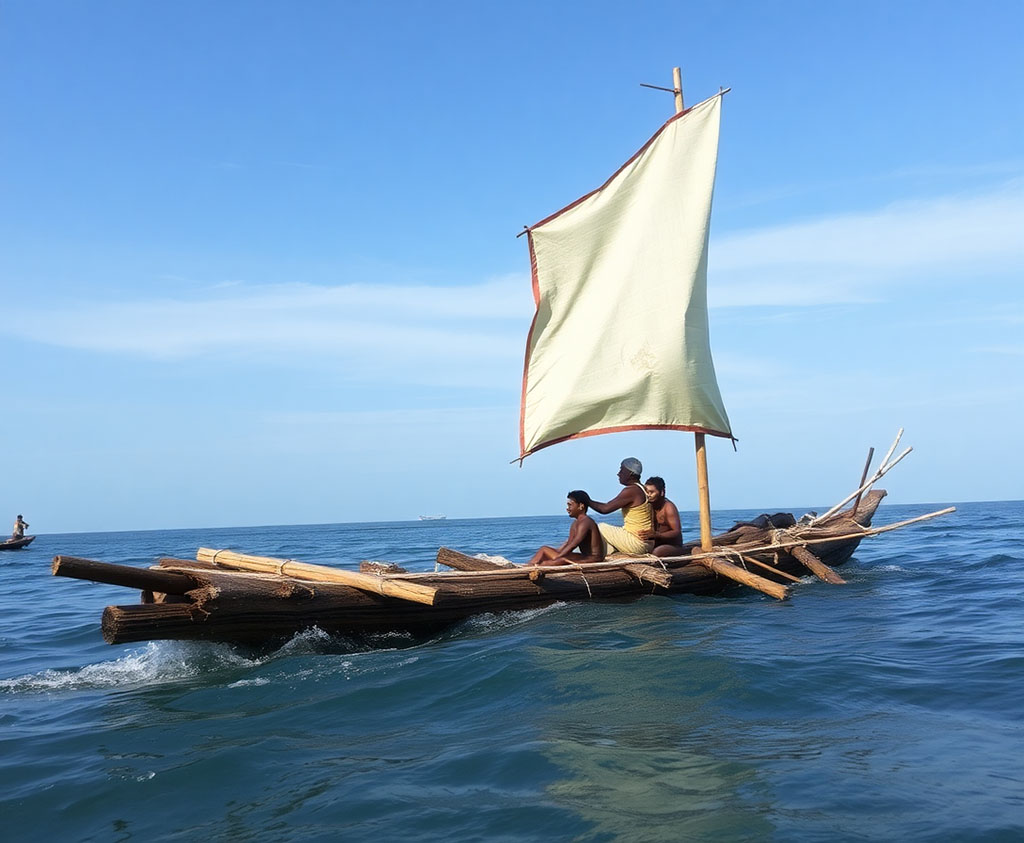
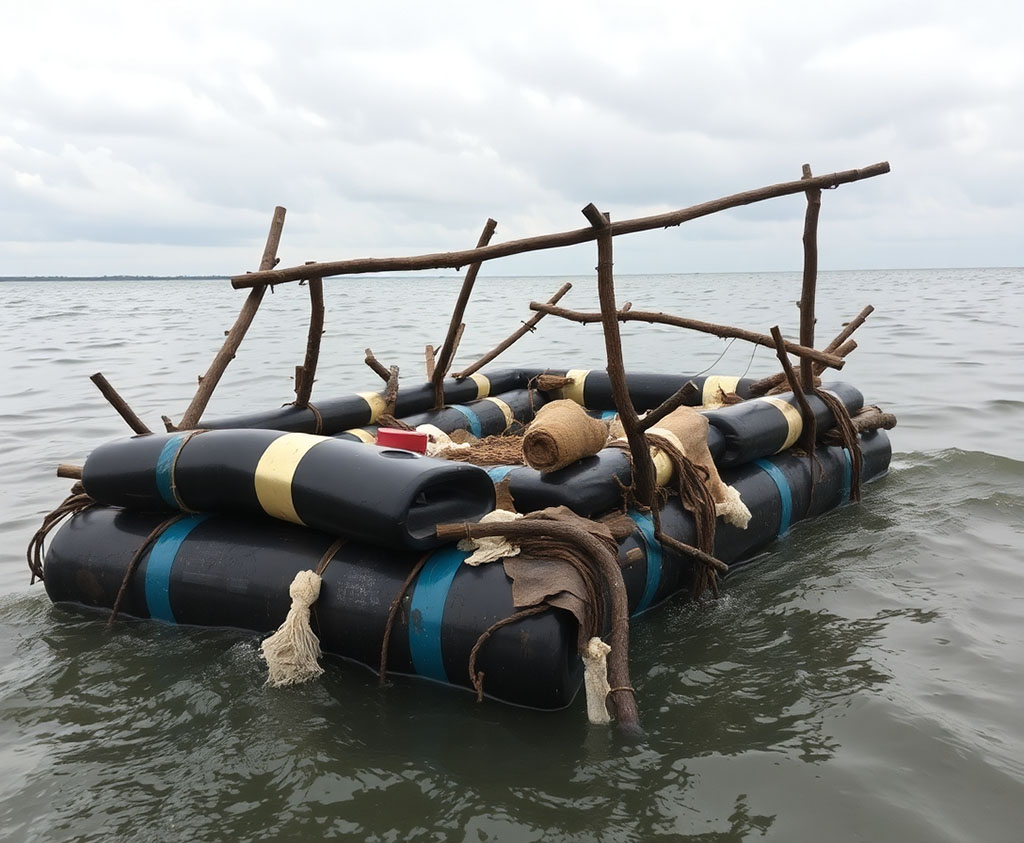
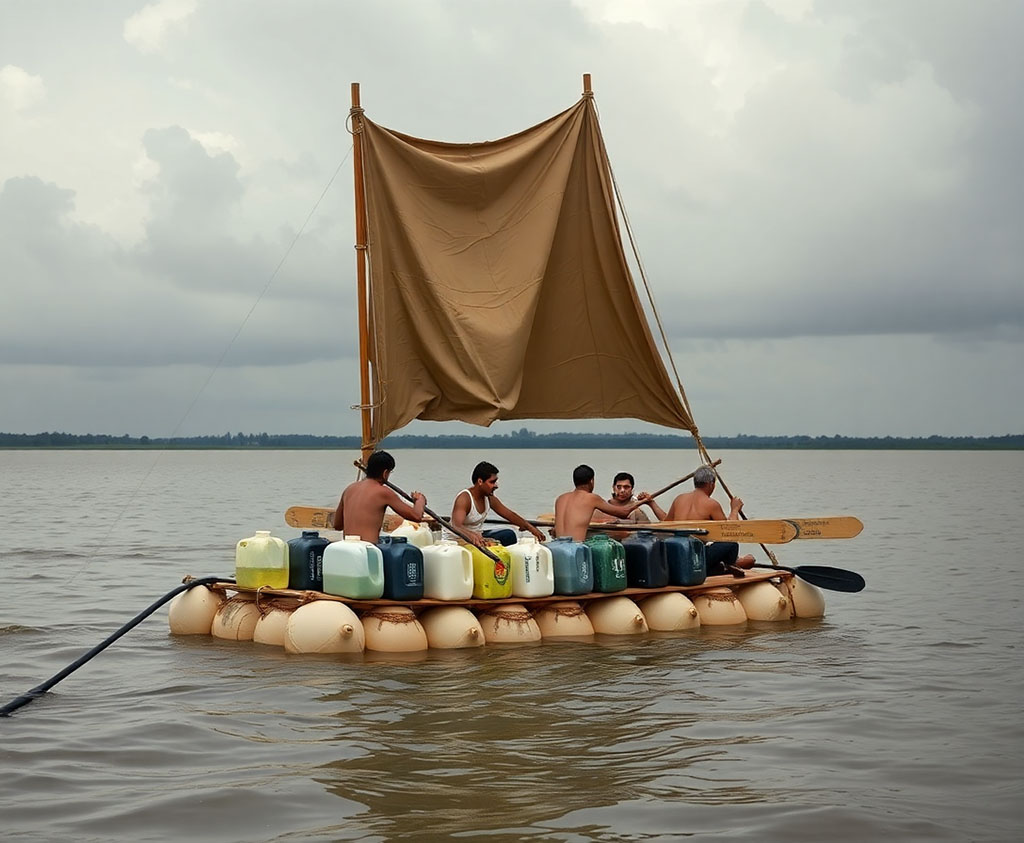
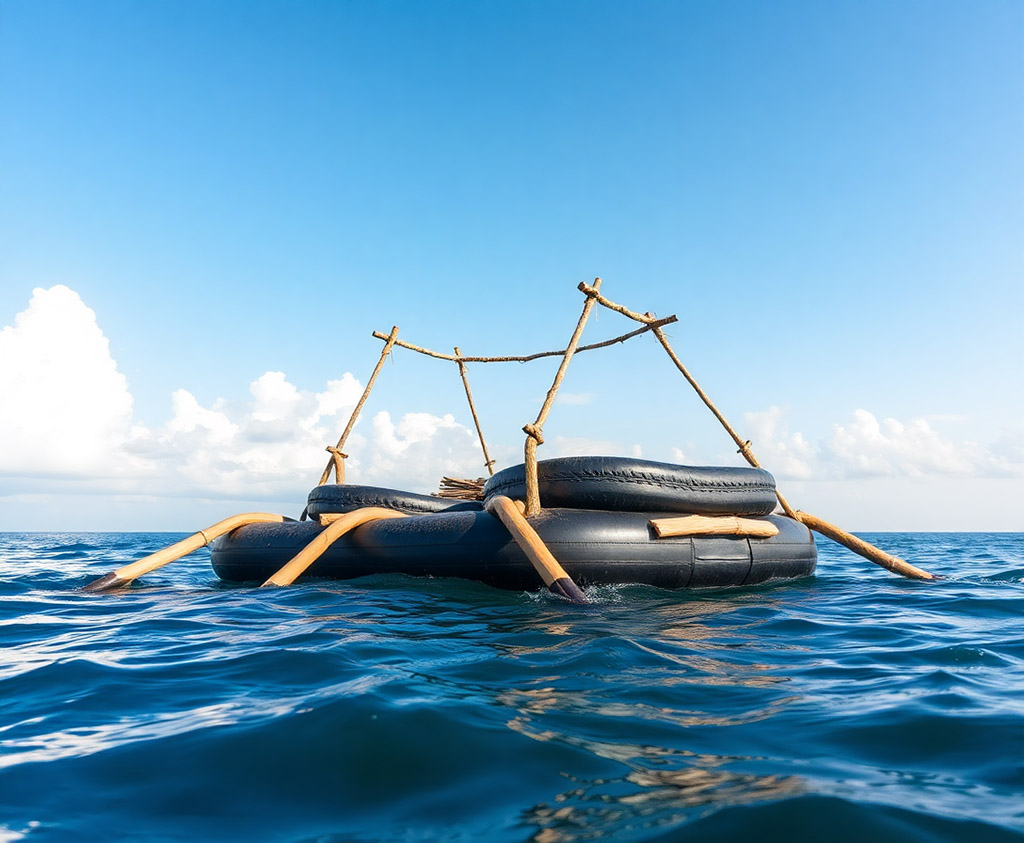
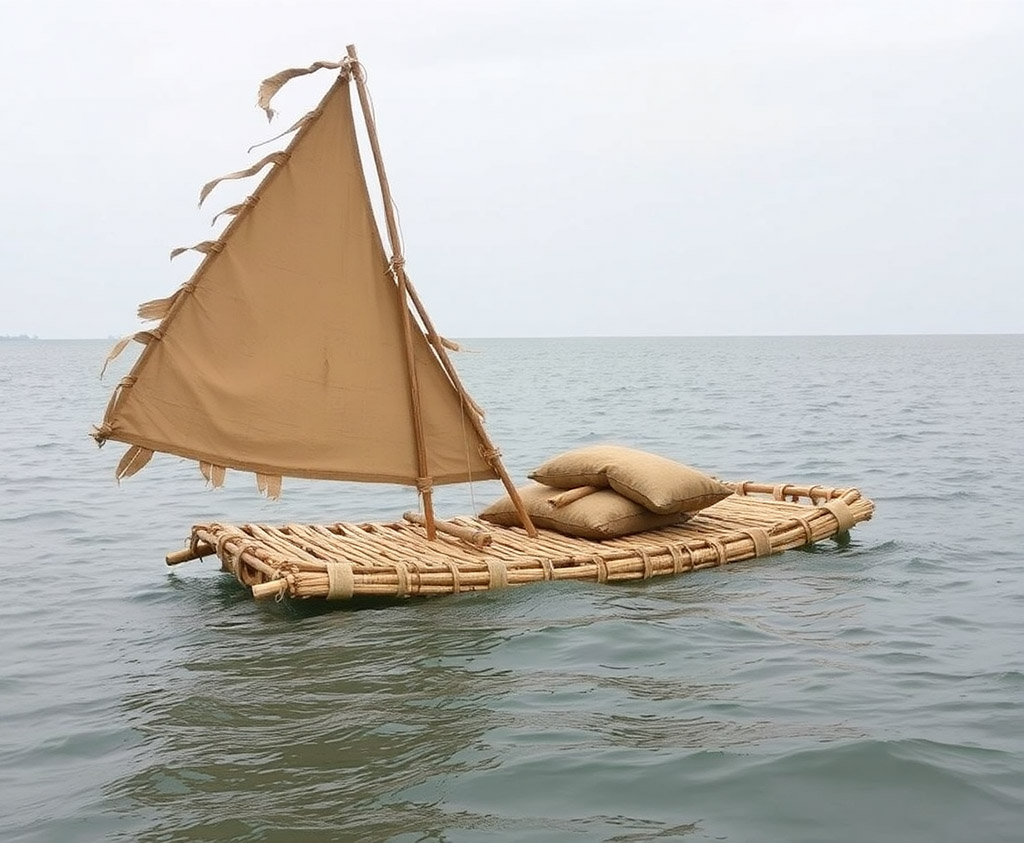
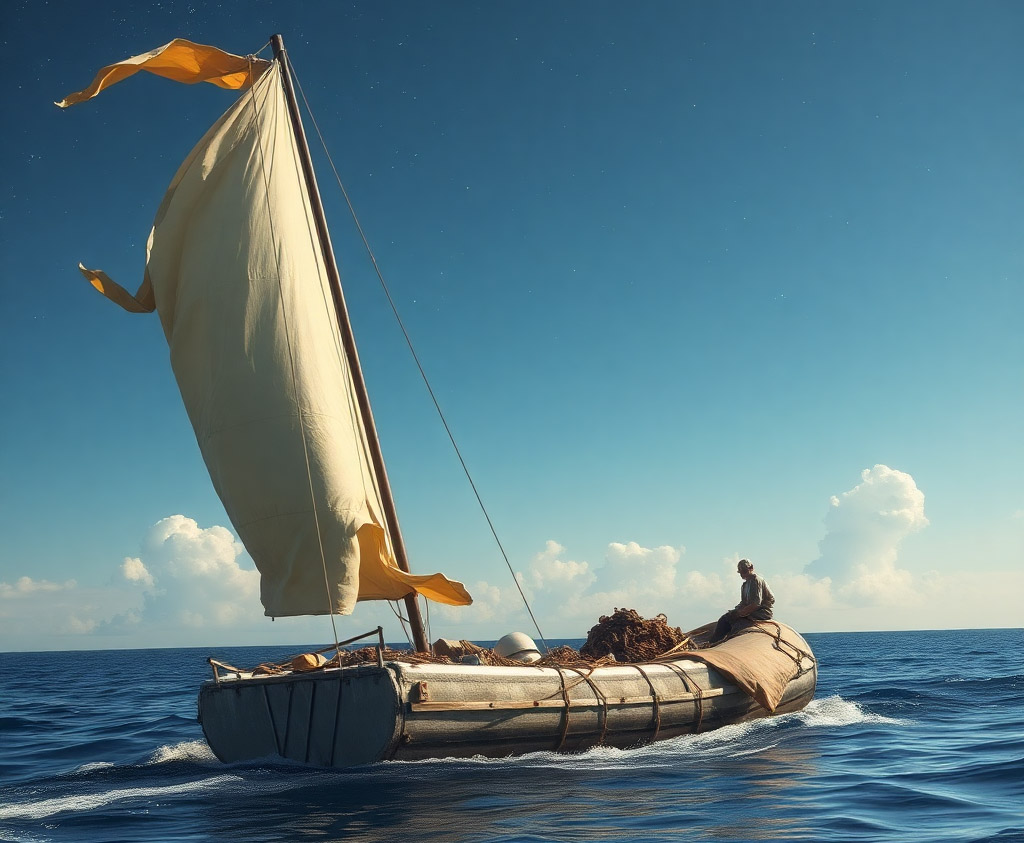
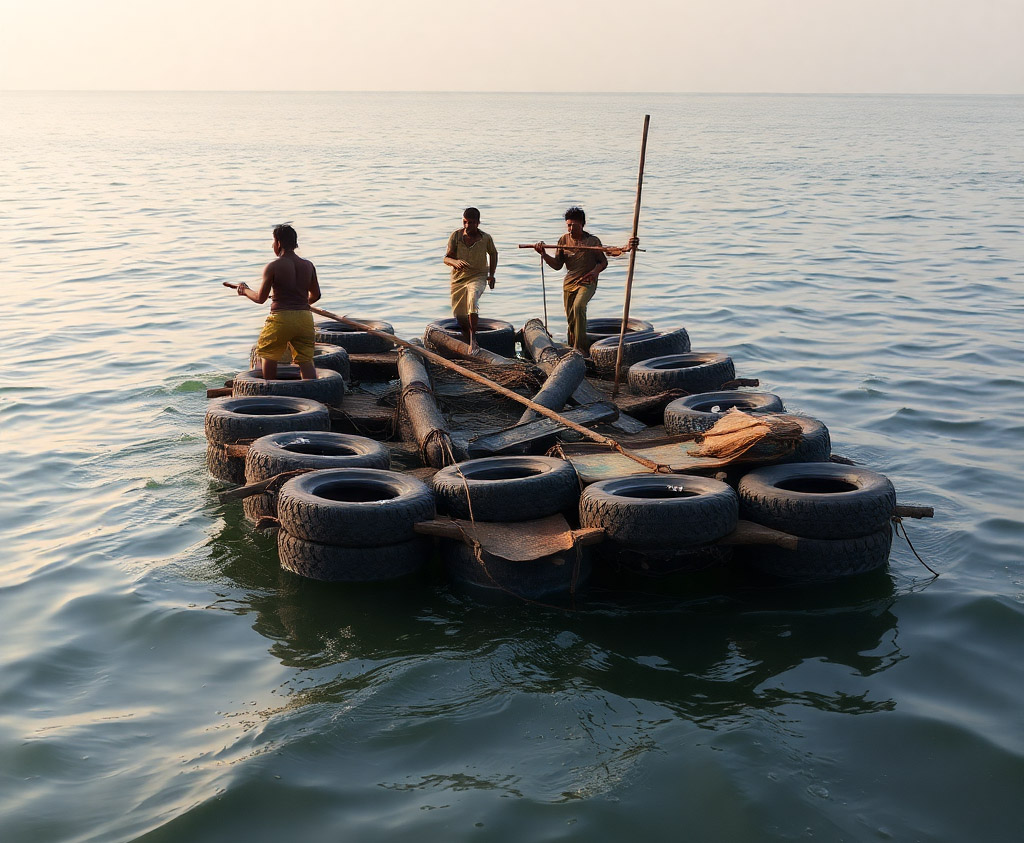
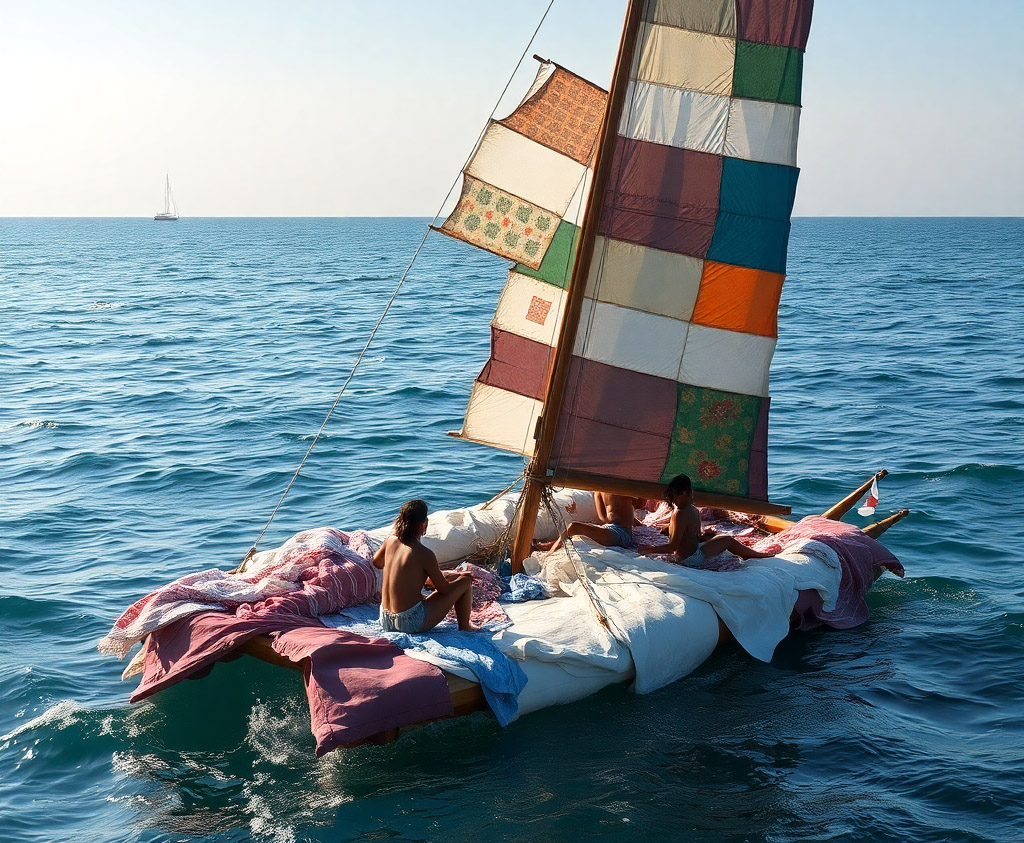
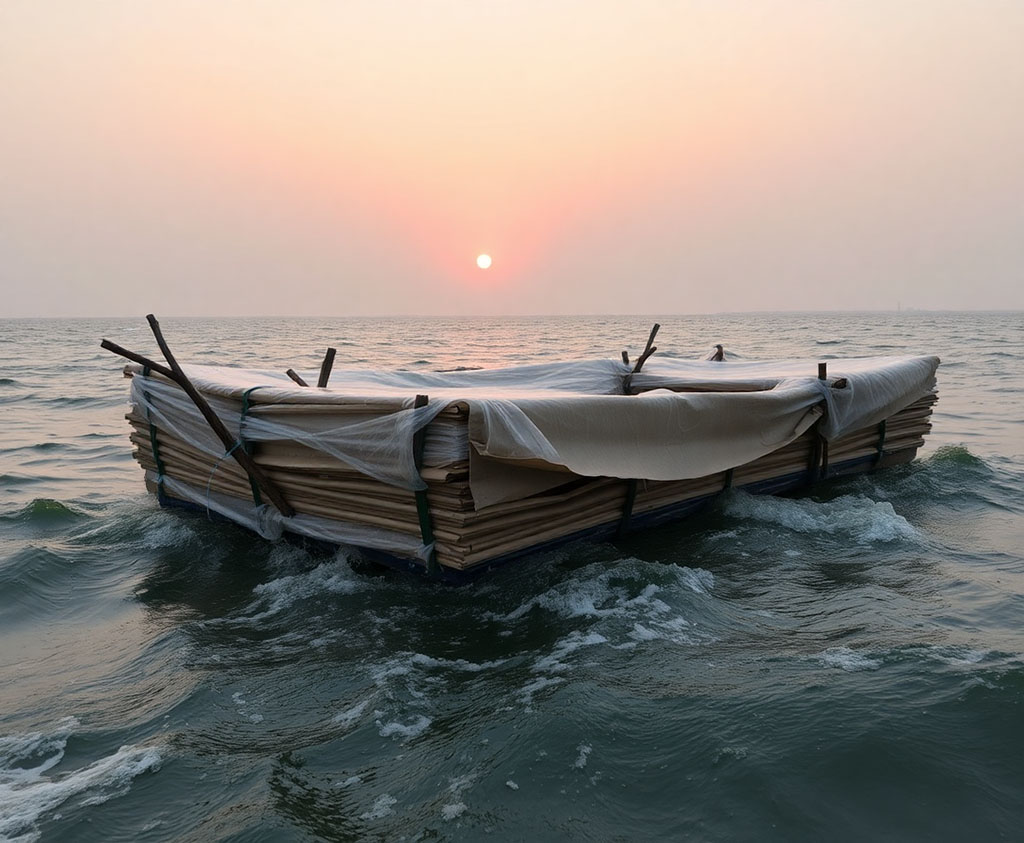
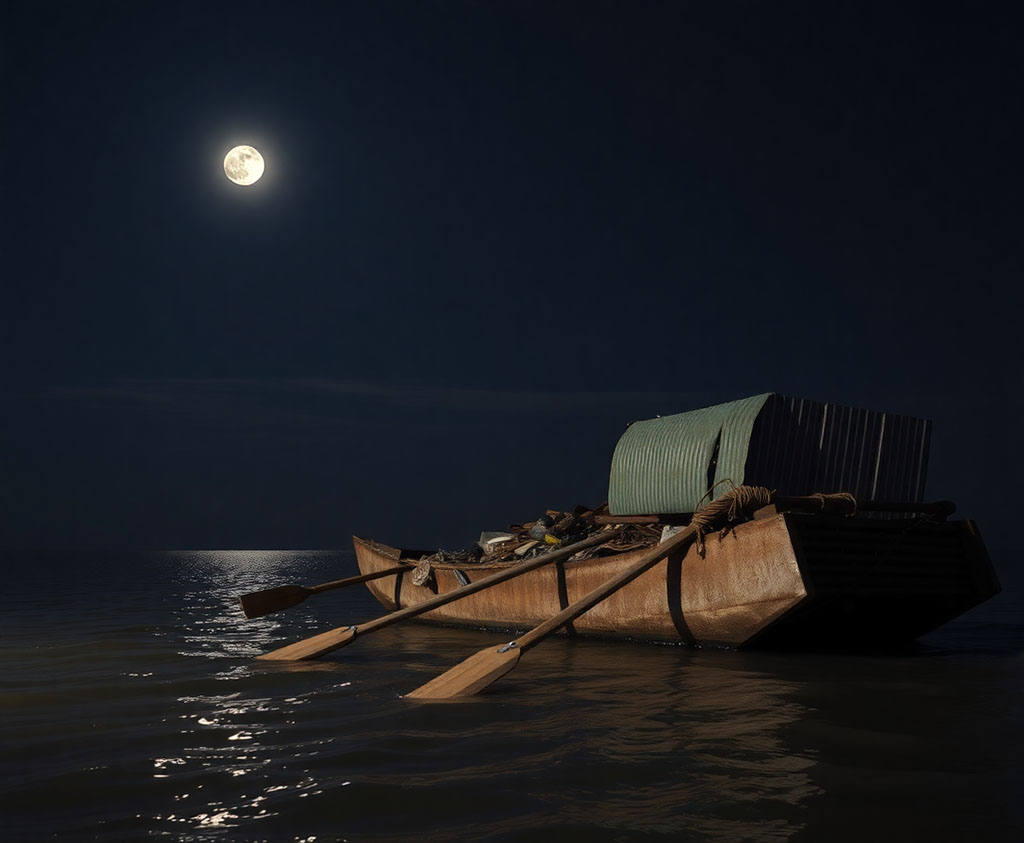
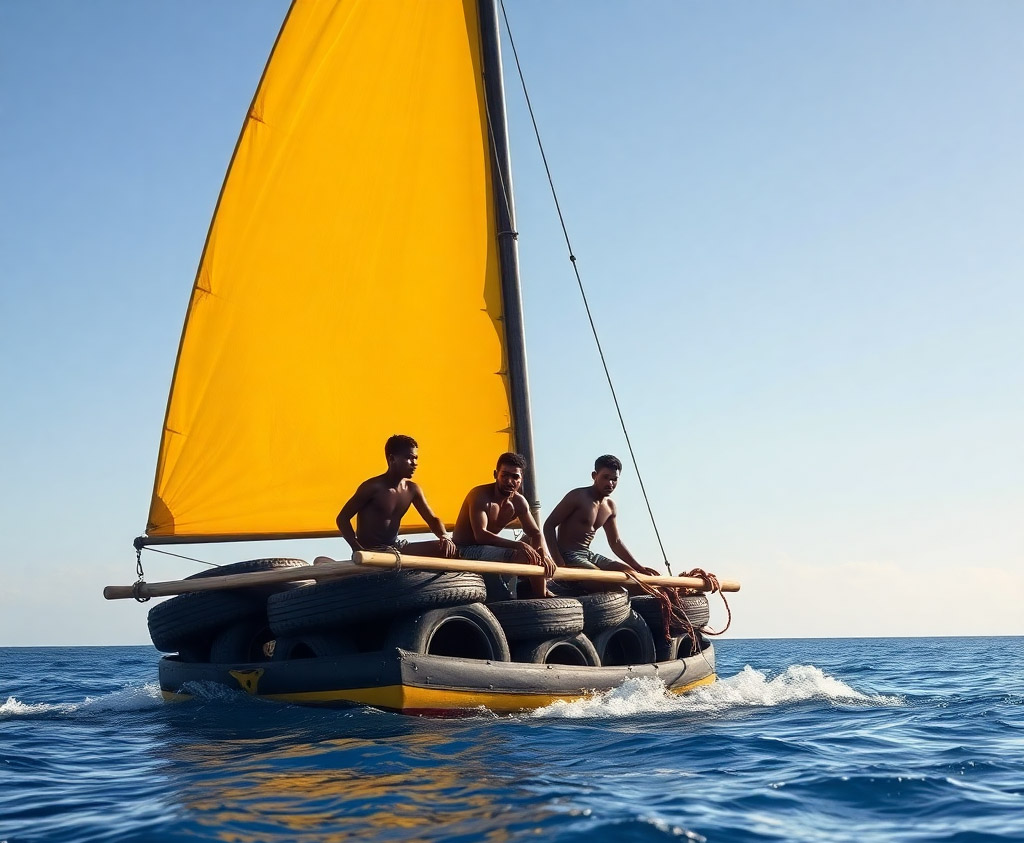
Technologies of Exile is a series of AI-generated images that revisits the Cuban rafter crisis of the 1990s. These non-rafts – untethered from fact or fiction, memory or machine — drift between invention and failure, echoing the makeshift crafts of those who defied scarcity and control, while revealing AI’s faltering grasp of the stories it tries to tell. In their distortions, we find not just technological error, but a mirror of exile itself: fractured, unresolved, and always somewhere in between.
BACKGROUND
After the fall of the Soviet Union, the economic conditions in Cuba were the worst in decades. In 1994, rioting and anti-government protests broke out in Cuba, and Fidel Castro announced that 'whoever wanted to leave, could go'.
It's estimated that about 35,000 people fled the island on small boats and homemade rafts built from whatever materials they could find – inner tubes, tires, styrofoam, tar, cloth, sheet metal, wood, and other scraps. People who immigrate this way are often called "balseros", or rafters.
In the period between August and September of 1994 a total of 32,362 Cuban citizens were intercepted on the high seas and transferred to Guantánamo. According to various estimates, between 16,000 and 100,000 "Balseros" perished at sea during their attempts to flee Cuba.
DESCRIPCIÓN DEL PROYECTO
Tecnologías del exilio es una serie de imágenes generadas por inteligencia artificial que revisa la crisis de los balseros cubanos de la década de 1990. Estos objetos no artesanales -desvinculados de la realidad o la ficción, la memoria o la máquina- se mueven entre la invención y el fracaso. Se hacen eco de las artesanías improvisadas de quienes desafiaron la escasez y el control, al tiempo que revelan la vacilante comprensión de la IA de las historias que intenta contar. En sus distorsiones, no sólo encontramos un error tecnológico, sino un espejo del propio exilio: fracturado, sin resolver y siempre en un punto intermedio.
CONTEXTO
Tras la caída de la Unión Soviética, las condiciones económicas de Cuba eran las peores en décadas. En 1994 estallaron en Cuba disturbios y protestas antigubernamentales, y Fidel Castro anunció que «quien quisiera irse, podía irse».
Se calcula que unas 35.000 personas huyeron de la isla en pequeñas embarcaciones y balsas caseras construidas con cualquier material que pudieran encontrar: cámaras de aire, neumáticos, espuma de poliestireno, alquitrán, tela, láminas de metal, madera y otros desechos. A las personas que emigran de esta forma se les suele llamar «balseros».
En el periodo comprendido entre agosto y septiembre de 1994, un total de 32.362 ciudadanos cubanos fueron interceptados en alta mar y trasladados a Guantánamo. Según diversas estimaciones, entre 16.000 y 100.000 «balseros» perecieron en el mar durante sus intentos de huir de Cuba.
DOCUMENTATION